I work on methods that enable AI systems to reason, plan, and solve complex problems. My research combines machine learning, symbolic reasoning, and program synthesis to build intelligent systems that is more capable, reliable, and adaptable.
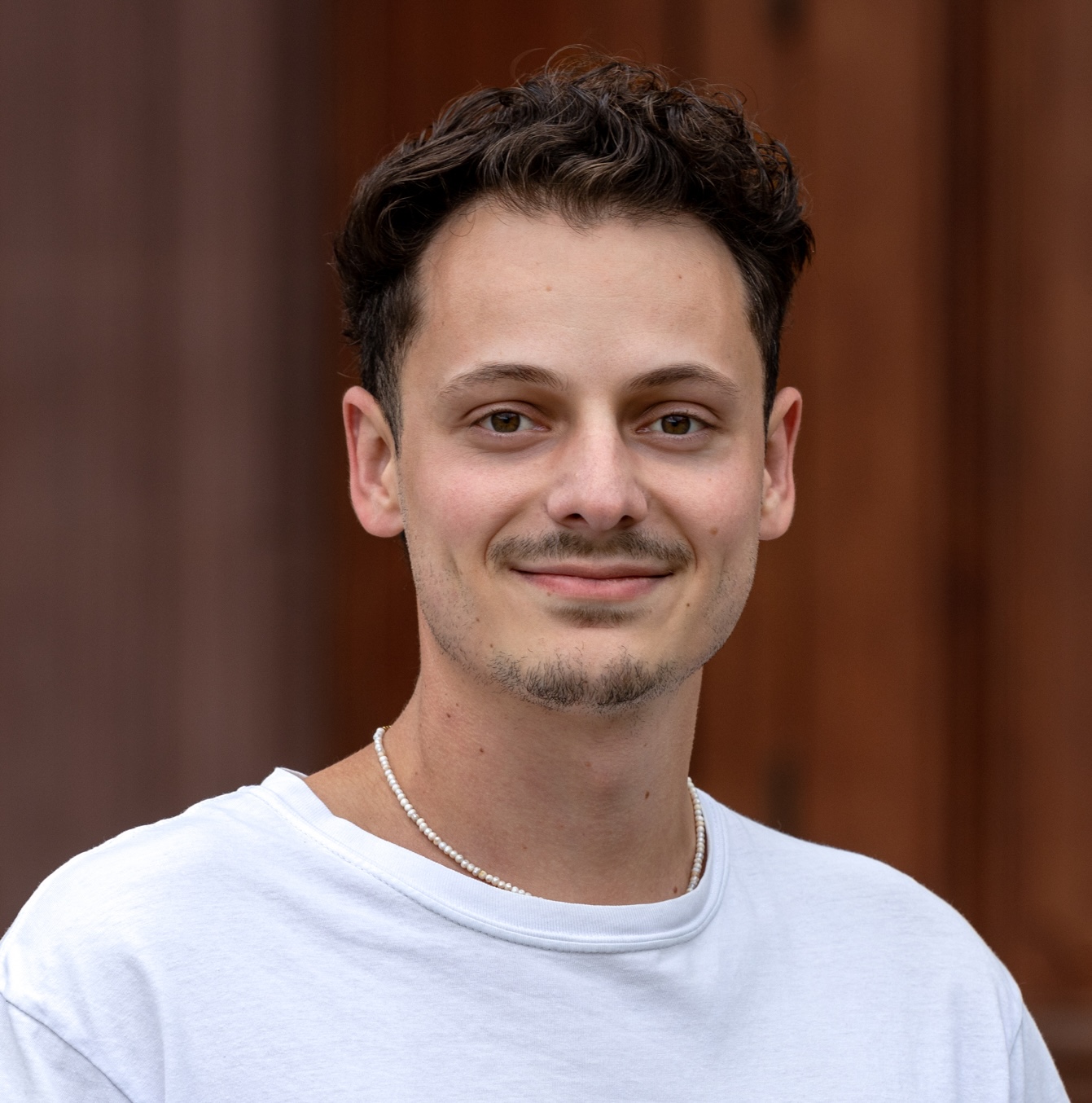
I am a researcher with a strong interest in exploring new ideas, understanding complex systems, and developing practical solutions. My work is guided by curiosity, persistence, and a willingness to approach unfamiliar challenges.
Outside of research, I enjoy mountaineering and cooking. Mountaineering has shaped the way I approach challenges: preparation, adaptability, the ability to make decisions in uncertain environments, and overall resilience. Cooking reflects another part of my personality: creativity, attention to detail, and the satisfaction of building something through experimentation and hands-on work.
Both research and my personal interests share the same foundation: curiosity, problem-solving, and the motivation to explore what is not yet understood.
I received my Bachelor’s and Master’s degrees in Medical Engineering from Friedrich-Alexander University Erlangen-Nuremberg. I started my PhD at the University of Mannheim and continued my research at TU Clausthal in the Cognitive Software group.
Automatically generating programs from examples, specifications, and demonstrations.
Combining neural models with symbolic reasoning for more powerful AI systems.
Developing AI systems capable of decomposition, planning, and structured problem solving.
Psychoneuroendocrinology
Scientific Reports
AI-BIM develops an AI-supported copilot that makes sustainable architectural designs plannable and optimizable while taking environmental standards into account. Our role is to develop and integrate the copilot architecture so that AI models support concrete planning decisions instead of only generating design variants.
In GreenPickUp, we developed an AI-supported urban logistics platform that enables more sustainable and efficient parcel distribution through intelligent coordination of mobile pickup points and delivery flows. Our role was to develop and integrate the AI-driven platform architecture so that logistics providers and citizens can synchronize mobility, reduce unnecessary transport, and significantly lower urban emissions while supporting economically viable and socially inclusive last-mile delivery.
TU Clausthal
University of Mannheim
Friedrich-Alexander University Erlangen-Nuremberg